Industrial vs Modern LED Lighting: Finding Your Home's Style
Key Takeaways
- Understanding the fundamental design differences between industrial and modern styles.
- Learning how to select materials that complement your home's existing architecture.
- Discovering the energy-saving benefits of upgrading to LED technology.
- Exploring tips for positioning fixtures to enhance room-by-room functionality.
- Mastering the art of layering hybrid designs for a unique, refined look.
Defining the aesthetics of industrial and modern lighting
Industrial and modern designs often cross paths in contemporary homes, creating a unique aesthetic dialogue. Understanding the shift between raw warehouse heritage and clean, present-day minimalism helps homeowners make better choices for their interiors. By identifying your specific preference, you can curate a space that feels both personal and thoughtfully designed for your daily life.
Origins and core characteristics of industrial design
The industrial look draws heavily from the late 19th and early 20th-century factory era. This style celebrates functional aesthetics, where utility informs the final shape of every object. It often incorporates exposed mechanical elements, brick walls, and open pipelines that lend a rugged, authentic edge to residential living rooms.
Key principles and philosophy of modern lighting
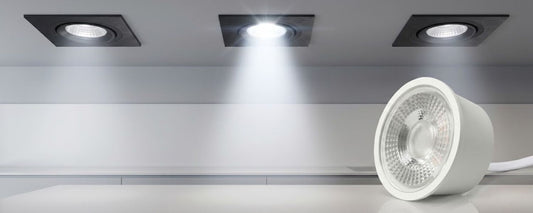
Modern lighting thrives on simplicity, clean lines, and an understated approach to geometry. The focus here is on eliminating unnecessary ornamentation to let the light source and the silhouette of the fixture define the room. Unlike its industrial counterpart, modern design seeks a refined, harmonious appearance that blends seamlessly into the surrounding environment.
Visual impact and atmospheric differences in home interiors
The way a room feels is largely determined by the temperature and diffusion of light. Industrial styles often favor warm, amber-toned Edison bulbs that cast long shadows and evoke a sense of nostalgia. In contrast, modern fixtures typically opt for bright, uniform illumination that expands the perceived space and highlights architectural details without adding a tint to the atmosphere.
Comparing materials and design finishes
Materials are the true language of interior design, articulating the narrative of a room through touch and sight. Whether you decide on weathered iron or high-gloss glass, every element contributes to the overall texture of your home. It is essential to carefully curate your fixtures to ensure they balance durability with the intended aesthetic.


Raw metals, weathered textures, and exposed components
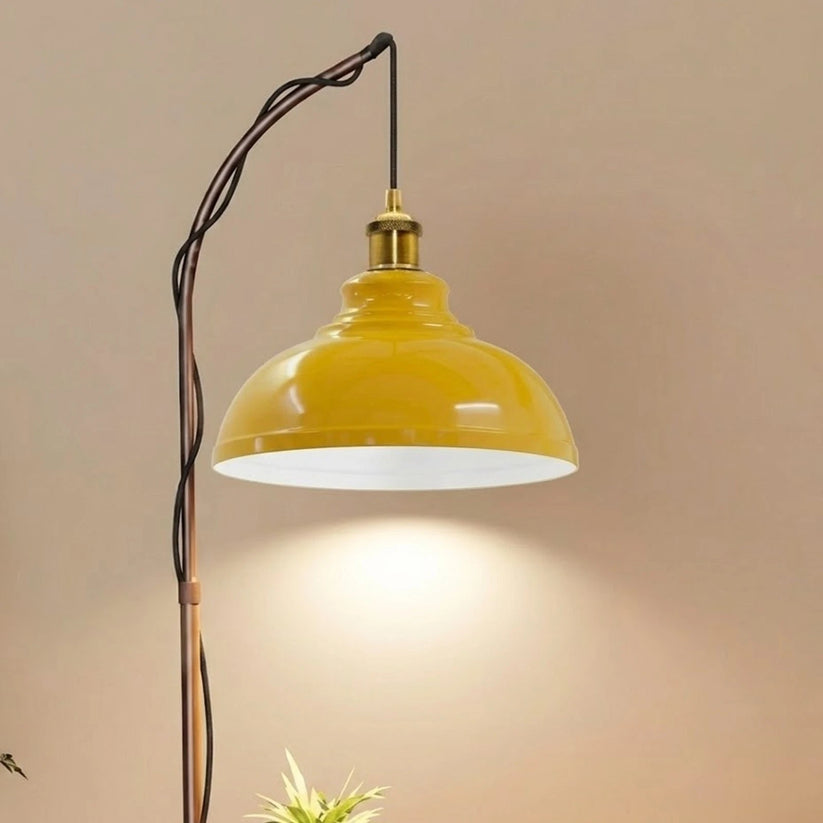
Ledsone highlights the enduring appeal of steel, iron, and brass in classic warehouse-inspired designs. These raw textures often feature distressed finishes, purposefully aged to bring a sense of history into new-build properties. The use of exposed pipes and heavy-duty guards adds a layer of depth that feels grounded and permanent.
Sleek surfaces, glass, and neutral materials in modern fixtures
Modern fixtures favour materials that feel light and polished to the touch. You will often see Contemporary lighting styles utilizing frosted glass, brushed nickel, or matte polymer to achieve a smooth appearance. By choosing these neutral materials, you avoid clashing with existing colour schemes and maintain visual clarity across your open-plan living areas.
Contrasting colour palettes and light diffusion techniques
Creating contrast often involves mixing a dark, industrial frame with a transparent shade to soften output. Ledsone provides various options where metal cages protect the bulb, whereas modern diffusion often involves hidden source techniques like recessed mounting or indirect bounce lighting. These methods ensure that the glow is intentional, providing soft, wide-spread light instead of a harsh, singular beam.
The role of LED technology in both styles
LED technology has fundamentally changed how we approach residential brightness. It serves as the bridge between historical visual appeal and high-performance engineering, making it easier than ever to upgrade older homes to modern standards. We see that energy efficiency is now a primary driver in the selection of almost every new light fixture.
Energy efficiency and longevity benefits for home illumination
The primary advantage of switching to LED is the drastically reduced energy consumption compared to traditional filaments. These bulbs last for thousands of hours, which means less frequent maintenance for high-ceiling industrial pendants. Homeowners find this longevity particularly convenient, significantly reducing the total cost of ownership over several years.
Flexibility in choosing colour temperature for mood control
Modern LED integration allows users to select specific colour temperatures to suit different times of the day. You can enjoy a cool, white light for cleaning or concentration during the day and switch to a warmer yellow light for winding down in the evening. This level of control is a major development in modern home electrical components.
How modern LED integration influences fixture shape and size
Because LED components are compact, they allow for much thinner metal profiles than the bulky holders required by past incandescent bulbs. Ledsone offers a variety of slimline LED holders that facilitate a more minimalist aesthetic without sacrificing power. This flexibility allows designers to push the boundaries of what a fixture can look like, leading to unconventional and sculptural hanging forms.
Room-by-room application and placement
Where you hang your lights dictates the entire mood of the space. A well-placed pendant can anchor a dining area, while wall-mounted options add necessary depth to corridors and entryways. Proper placement turns a simple utility light into a stunning design centerpiece that dictates how the rest of the furniture is arranged.
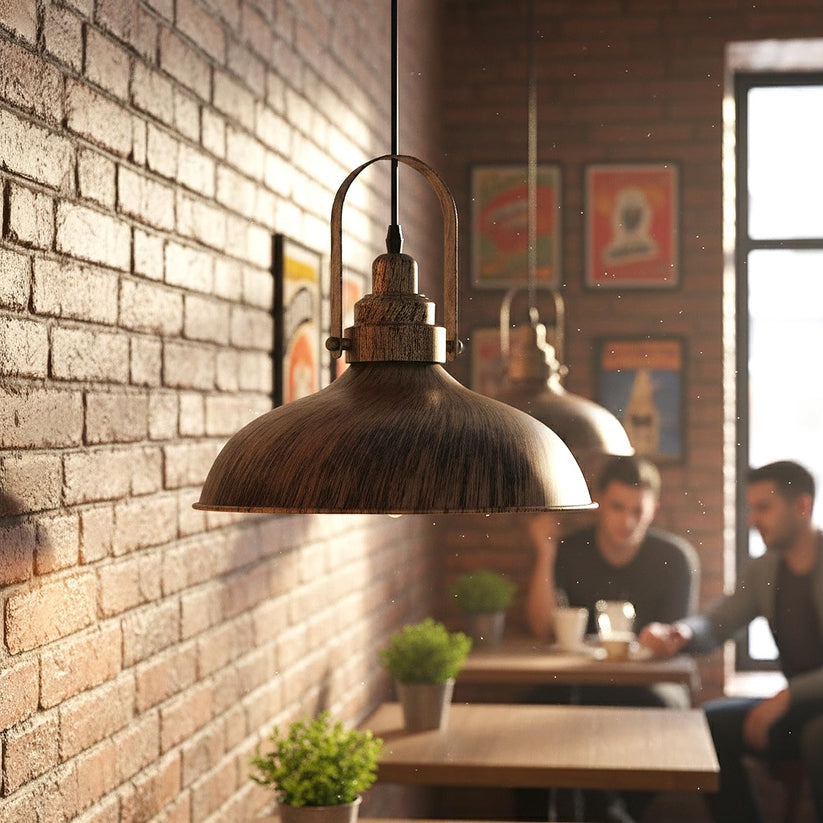
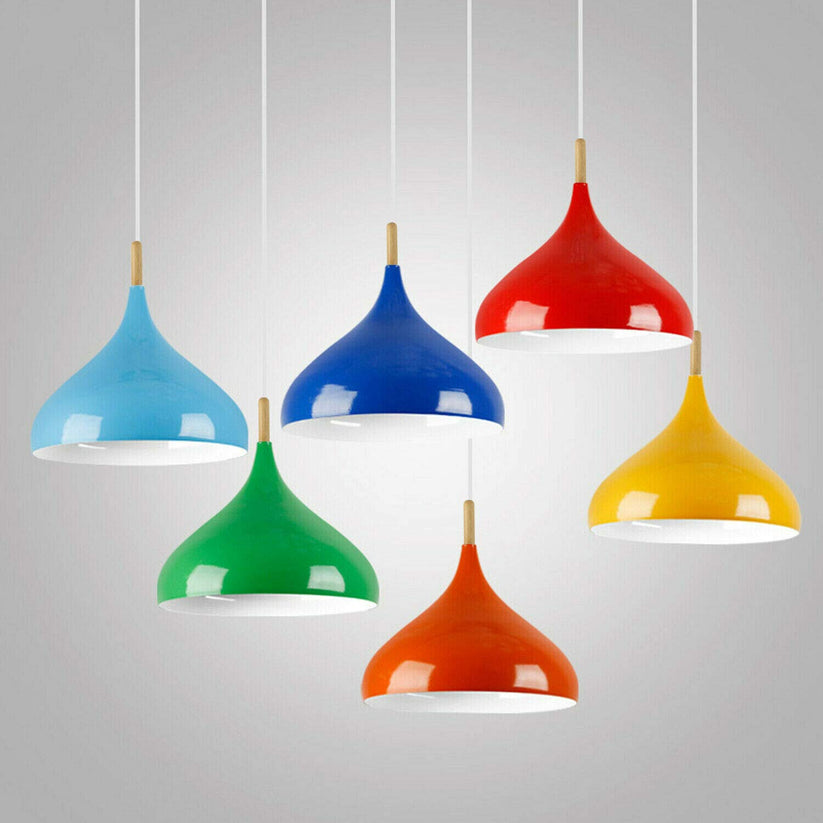

Making a statement in the kitchen and dining areas
Choosing Modern pendant lights over a kitchen island is one of the most effective ways to command attention in an open floor plan. Oversized metal shades provide a bold industrial foundation, while clear glass pendants offer a modern, clean line that keeps the workspace feeling open and bright.
Creating a relaxed, ambient mood in bedrooms and living spaces
Ambience is achieved through layering softer light at a lower height than your main ceiling fixtures. Think about adding dimmable wall lamps with a brushed finish near your reading chairs or bedside tables. This approach creates a warm, cocoon-like atmosphere that emphasizes relaxation rather than productivity.
Practical task lighting for home offices and transitional hallways
For busy zones like home offices or narrow hallways, you need consistent illumination to prevent eye fatigue. Selecting Industrial style lighting UK with adjustable arms allows you to move the source where it is needed most. These functional fixtures should provide enough lumens to highlight your workstation while maintaining the overall aesthetic integrity of the room.
Choosing the right lighting for your unique space
Selecting the right fixture means considering more than just visual appeal. You must evaluate your existing architectural features to ensure new lights complement rather than clash with your current home decor. Finding the proper balance necessitates careful assessment of scale and functional requirements before you commit to a purchase.
Assessing existing decor and architectural features
Take a moment to look at your ceiling height and wall texture before deciding on a style. If you are learning how to choose lighting style for home, you should note that high ceilings can handle large, dramatic industrial cages, while lower ceilings benefit from the low profile of modern contemporary styles.
Scaling and sizing pendant lights for balanced proportions
Proportion is essential for a harmonious room. If the pendant is too small, it will look lost in the space, but if it is too massive, it will dominate the furniture underneath. Aim to hang your main pendants at eye level or slightly higher to establish a rhythmic flow across your ceiling.
Designing with modern-industrial hybrid lighting
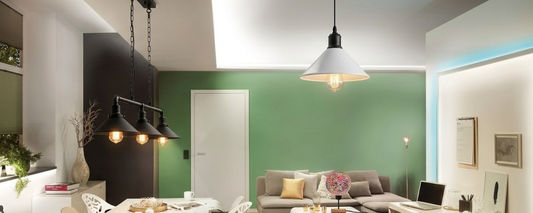
Blending styles allows for a highly personalized look that avoids the sterility of pure modernism or the clutter of traditional warehouse-style fixtures. This approach acts as a bridge between eras, combining raw grit with high-precision electronics. Creating a hybrid look is an increasingly popular trend for homeowners who desire a truly bespoke, visually engaging interior.
Combining raw, vintage-inspired aesthetics with LED innovation
You can pair heritage-inspired metal housing with the crisp output of modern LED technology to satisfy both design and performance goals. Viewing the Industrial vs contemporary lighting spectrum, hybrid lights successfully marry the warmth of the past with the reliable efficiency of the future. This creates a functional lighting solution that looks just as good in a period property as it does in a modern loft.
Striking a balance between rugged grit and clean refinement
The secret to success is choosing Industrial style light fixtures that use clean lines to simplify their raw origins. By focusing on minimal cage designs or matte black finishes, you can introduce an edgy feel without overwhelming your space. This approach keeps the room feeling sophisticated and approachable, avoiding the feeling of a cluttered workshop.
Tips for layering contrasting lighting styles within a single room
Layering different styles helps you define specific zones within a single space without needing physical dividers. Place a modern ceiling light in the center of the room and flank it with industrial wall lamps to create a distinct, curated look. This contrast provides a dynamic visual experience that keeps the eyes moving and prevents the space from feeling static or overly uniform.
Conclusion
Successfully balancing industrial and modern design elements allows you to create a home that feels both grounded in history and prepared for the future. By carefully assessing your space and choosing durable, energy-efficient fixtures, you can craft an environment that perfectly reflects your personal style while meeting all your functional needs. Whether you prefer the warm, rugged allure of warehouse-inspired metals or the clean, bright precision of contemporary glass and steel, Ledsone provides the variety necessary to bring your vision to life.
Frequently Asked Questions
What are the main differences between industrial and modern lighting designs?+
Industrial lighting typically focuses on raw, rugged materials and exposed components, while modern lighting emphasizes clean, simple lines and refined textures to achieve a minimalist finish.
Can I mix industrial and modern lighting in the same room?+
Yes, mixing these styles is a popular design trend that adds character to a room by layering the gritty, vintage aesthetic of industrial design with the sleekness of modern fixtures.
What type of light bulbs are best for industrial wall sconces?+
Most industrial-style fixtures work best with Edison-style LED bulbs because they replicate the warm, vintage look of early filament bulbs while providing the energy efficiency of modern technology.
Is modern lighting always brighter than industrial lighting?+
Not necessarily, as brightness depends on the type of LED chip and the temperature of the bulb, though modern fixtures often feature designs that diffuse light more evenly across a room.
How high should I hang my pendant lights in a dining area?+
It is generally advised to hang dining pendants roughly 75 to 90 centimetres above the tabletop to ensure they provide adequate illumination without obstructing the view across the table.
How does LED technology change the appearance of vintage fixtures?+
LED integration allows vintage fixtures to maintain their traditional look while being smaller and lighter, often enabling designers to use slimmer metal frames than were previously possible with older bulbs.
What should I consider when installing lighting in a home office?+
Focus on practical, task-oriented lighting that can be adjusted to reduce glare on screens, while ensuring the style matches the desired professional atmosphere of the workspace.
Labels:
Vorig
Shine Bright with LED Bulbs!
Volgende
The Industrial Lighting Blueprint: How to Pair Wire Cage Pendant Lights with the Perfect Edison Bulbs