What Is Conduit Lighting? A Guide to Industrial Pipe Light Fixtures
Industrial-style interiors have become one of the most enduring design trends in UK homes and commercial spaces over the last decade. Exposed brick, reclaimed wood, and raw metal finishes all point to one common feature: conduit lighting. If you've scrolled through interior design inspiration and wondered what those raw metal pipe light fixtures are called, or how you could add one to your own kitchen, hallway, or workspace, this guide covers everything you need to know.
In this article, we'll explain exactly what conduit lighting is, the different types of fixtures available, how conduit pipe sizes and fittings work, which materials and finishes suit different interiors, how to choose the right fixture for your space, the basics of DIY installation, and plenty of styling inspiration to get you started. Whether you're a homeowner planning a renovation, an interior designer sourcing industrial pieces, or an electrician looking for reliable components, this guide will give you a complete picture of conduit lighting.
What Is Conduit Lighting?
Conduit lighting refers to light fixtures built using electrical conduit pipe — the metal tubing traditionally used to protect and route electrical wiring — as a visible, decorative element of the design. Rather than hiding the pipework behind walls or ceilings, conduit lighting puts it on full display, turning a purely functional component into a statement design feature.
The concept has its roots in factories, warehouses, and workshops, where conduit pipe was originally installed for practical reasons: to protect wiring from damage, moisture, and wear in demanding industrial environments. Over time, as loft conversions, warehouse apartments, and exposed-brick interiors grew in popularity, designers began repurposing this rugged, utilitarian material for its aesthetic value. What was once hidden infrastructure became the centrepiece of pendant lights, wall sconces, table lamps, and ceiling fixtures.
So what separates conduit lighting from a standard light fitting? In a conventional fixture, all wiring and structural components are concealed inside a housing, cord, or canopy. In conduit lighting, the pipe itself forms part of the visible structure — often paired with exposed bulbs, wire cages, and raw or blackened metal finishes. This gives conduit fixtures their distinctive rugged, mechanical look.
Part of the appeal is honesty of materials. Rather than dressing up a fixture in plastic or painted casing, conduit lighting celebrates the raw function of its parts — the pipe that carries the cable, the fitting that joins two sections, the holder that grips the bulb. Nothing is hidden, which is exactly the point. This "form follows function" approach has made conduit lighting a natural fit for the wider trend toward reclaimed, repurposed, and exposed-material interiors, sitting alongside things like Edison filament bulbs, scaffold-board shelving, and exposed brickwork.
It's also worth noting that conduit lighting isn't a single fixed product — it's more of a design language built from a small set of interchangeable parts. A length of steel or brass pipe, a threaded connector, and a lamp holder can be combined in dozens of configurations, which is why you'll see conduit lighting used for everything from a single minimalist wall light to an elaborate multi-arm ceiling cluster. This flexibility is one of the main reasons the style has stayed popular for so long: it adapts easily to different budgets, room sizes, and levels of DIY confidence.
Today, conduit lighting is a defining feature of several popular interior styles:
- Industrial — raw steel pipes, black finishes, minimal ornamentation
- Steampunk — brass fittings, exposed bulbs, mechanical detailing, wire cages
- Nautical — bulkhead-style fixtures, caged glass shades, corrosion-resistant finishes
- Loft/warehouse — long pipe runs, multiple fixture drops, exposed hardware
Because conduit lighting is modular by nature — built from separate pipe lengths, connectors, and holders — it also appeals to DIY enthusiasts who want to build a custom fixture rather than buy something off the shelf.
Types of Conduit Lighting Fixtures
Conduit lighting isn't a single product category — it spans several fixture types, each suited to different rooms and purposes. Here's a breakdown of the most popular options.
Conduit Pendant Lights
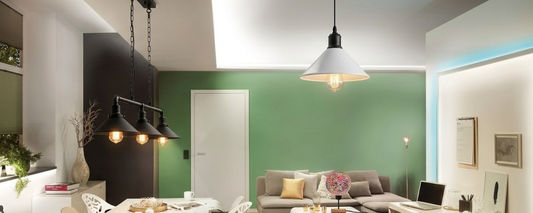
Pendant lights are probably the most recognisable form of conduit lighting. A length of pipe (or several joined sections) runs from the ceiling down to a lamp holder, often finished with a wire cage or exposed bulb. Conduit pendants work particularly well over kitchen islands, dining tables, and breakfast bars, where a single strong visual statement is more effective than diffuse ambient lighting.
Many conduit pendant kits include a ceiling rose, a length of conduit pipe, an E27 lamp holder, and sometimes a wire cage guard — making them a popular semi-DIY option, since much of the fixture arrives pre-assembled and simply needs wiring in.


Conduit Wall Lights
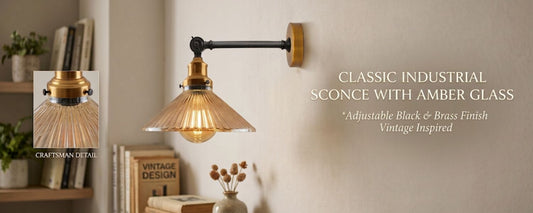
Wall-mounted conduit fixtures typically use a shorter length of pipe projecting from a wall plate, finished with a lamp holder, shade, or cage. These are especially popular in nautical-themed interiors, where a bulkhead-style caged wall light evokes the look of ship or dockside lighting. Conduit wall lights also suit hallways, staircases, and exterior-facing industrial spaces (provided they carry the correct IP rating for outdoor use).


Conduit Table Lamps
For a more portable option, conduit table lamps recreate the same aesthetic in a freestanding format. These often include a dimmer switch built into the base and combine a short conduit pipe stem with a heavier base for stability — a popular choice for desks, side tables, and steampunk-themed decor.
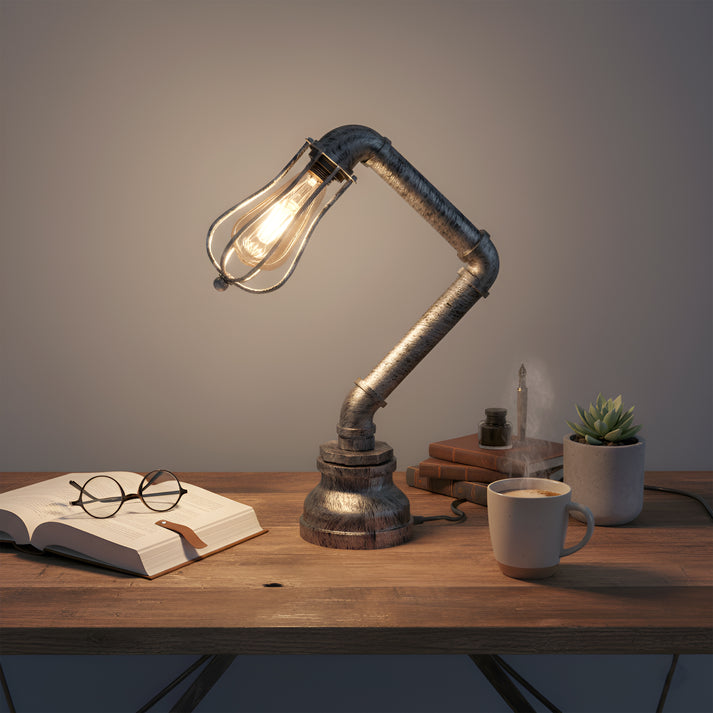

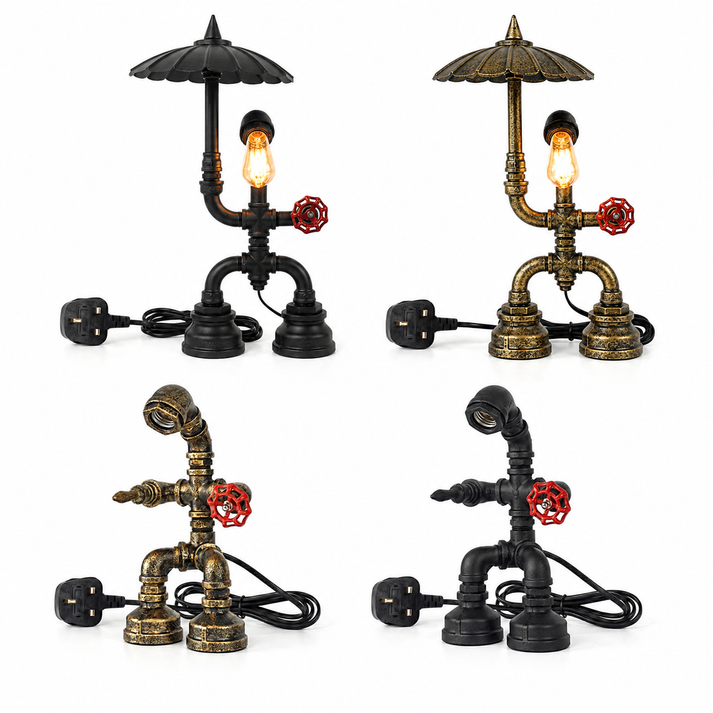
Conduit Ceiling and Flush-Mount Lights
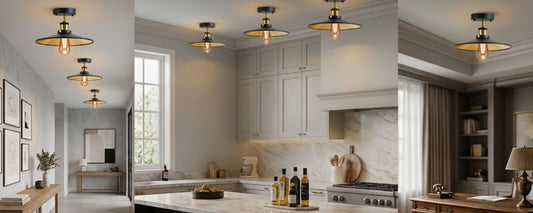
Where ceiling height is limited, flush or semi-flush conduit fixtures allow the industrial aesthetic to be applied without a hanging drop. These typically use a short pipe stub and a caged or open bulb housing mounted close to the ceiling — a practical option for hallways, utility rooms, and lower-ceilinged spaces.


Wire Cage Conduit Fixtures
Wire cages deserve a mention on their own, since they're one of the most popular accessories in the conduit lighting category. A wire cage fits around the bulb and holder, offering protection for the bulb while reinforcing the industrial, workshop-inspired look. Cages are available in various shapes, from simple dome cages to elongated "fisherman" style cages associated with nautical and steampunk designs. Beyond aesthetics, cages serve a genuinely practical purpose too — in workshops, garages, and busy family spaces, a caged bulb is far less likely to be knocked or damaged than an exposed one.
Conduit Pipe Configurator Builds
For anyone who wants a fixture that doesn't quite match anything available ready-made, many suppliers now offer a configurator-style approach, where you choose your pipe length, finish, holder type, and cage separately and have them combined into a single custom fixture. This is particularly popular for multi-arm pendant clusters or feature wall installations, where a symmetrical, made-to-measure result matters more than picking from a fixed catalogue. It also means you can match finishes precisely across a room — for example, using the same matt black conduit finish on a pendant, a wall light, and a set of switch plates for a cohesive look throughout.
Understanding Conduit Pipe Sizes and Fittings
If you're building or customising conduit lighting yourself, understanding pipe sizing and fitting types is essential — get the wrong size, and your fittings simply won't connect.
Common Conduit Pipe Sizes
The two most common sizes used in conduit lighting are:
- 16mm conduit pipe — a lighter-duty size often used for smaller fixtures, table lamps, and decorative accents where a slimmer profile is preferred
- 20mm conduit pipe — the more common size for pendant lights and wall fixtures, offering a slightly more substantial, industrial look while remaining easy to work with


Pipe is typically sold with male or female threaded ends, allowing pieces to be screwed together using connecting fittings. Always check the thread type (and whether it's metric or BSP) before combining pipe and fittings from different sources, as mismatched threads won't connect properly.
Key Fitting Types
Conduit lighting systems are built from a range of small connector fittings. Here are the ones you'll come across most often:
| Fitting | Function |
|---|---|
| Bush / Reducer | Connects two different pipe sizes (e.g. 20mm to 16mm) |
| Tee Connector | Joins three pipe sections at a right angle, useful for multi-arm fixtures |
| Elbow / L-Connector | Joins two pipe sections at a 90-degree angle |
| Nipple | A short threaded connector piece used to extend or join sections |
| Saddle Mount | Secures pipe runs flush against a wall or ceiling |
| Ceiling Rose | The mounting plate that connects pipe to the ceiling and conceals wiring entry |
| Lamp Holder | Holds the bulb in place (commonly E27 fitting for conduit lighting) |
Combining these fittings allows for a huge amount of design flexibility — from a simple single-drop pendant to a multi-arm industrial chandelier built entirely from pipe sections and connectors.
Materials and Finishes
The material and finish you choose will have a significant impact on the overall look of your conduit lighting, and it's worth matching this to your existing interior palette.
- Raw/Galvanised Steel — a silvery, slightly textured finish that suits utilitarian, warehouse-style interiors
- Matt Black Steel — the most popular finish for modern industrial spaces, offering a sleek, understated look that pairs well with most colour schemes
- Brass / Yellow Brass — associated with steampunk and vintage styling, brass fittings bring warmth and a sense of craftsmanship
- Aged or Antiqued Finishes — designed to look weathered and characterful, ideal for vintage or reclaimed-style interiors
Beyond aesthetics, finish also affects durability. Galvanised and corrosion-resistant finishes are a better choice for bathrooms, kitchens, or any area exposed to moisture, while decorative brass or matt black finishes are typically best suited to dry, indoor environments unless specifically rated for damp conditions.
It's also worth thinking about how your chosen finish will age. Raw or galvanised steel can develop a patina over time, which some homeowners actively want as part of the industrial aesthetic, while powder-coated matt black finishes tend to stay more consistent in appearance for longer. Brass, similarly, can be left to darken naturally for an antique look or lacquered to keep its original brightness — it's worth checking which finish you're buying if you have a strong preference either way. If you're mixing conduit lighting with other metal fixtures and fittings in the same room — door handles, taps, switch plates — try to keep the metal tone consistent (warm brass with warm brass, cool black steel with cool black steel) for a more considered, put-together look.
How to Choose the Right Conduit Lighting for Your Space
With so many fixture types, sizes, and finishes available, choosing the right conduit lighting comes down to a few key considerations.
By Room
- Kitchen — pendant lights over an island or breakfast bar work well; choose a size proportional to the space and consider a dimmable option for flexibility between task and ambient lighting
- Living Room — table lamps or wall lights add industrial character without overwhelming a softer seating area
- Hallway — flush-mount or short wall-projecting fixtures suit narrower spaces and lower ceilings
- Commercial/Retail — conduit lighting is popular in cafes, breweries, and retail units aiming for an authentic industrial atmosphere; multi-drop pendant runs work particularly well over counters and display areas
By Style
- Matt black steel with minimal detailing suits a modern industrial look
- Brass fittings, wire cages, and exposed bulbs suit steampunk interiors
- Caged glass shades and galvanised finishes suit nautical themes
Bulb and Holder Compatibility
Most conduit lighting fixtures use an E27 lamp holder, the standard Edison screw fitting widely available in the UK. This makes it straightforward to source replacement bulbs, including LED, vintage filament, and dimmable options, without needing a specialist supplier.
Indoor vs Outdoor Use
Not all conduit fixtures are suitable for outdoor or damp locations. If you're installing conduit lighting in a porch, garden, or bathroom, check the fixture's IP (Ingress Protection) rating to ensure it's adequately protected against moisture.
Budget and Buying Strategy
One of the practical advantages of conduit lighting is that you can scale your spend up or down depending on whether you buy a complete, ready-made fixture or build your own from individual parts. A pre-assembled pendant or wall light kit is the quickest route and suits anyone who wants a finished look without sourcing multiple components. Buying pipe, fittings, and a holder separately usually works out more cost-effective per fixture, and gives you full control over length, finish, and configuration — a good option if you're fitting out several rooms, or an entire commercial space, and want everything to match.
Maintenance Considerations
Conduit lighting is generally low-maintenance thanks to its robust, simple construction, but a few things are worth keeping in mind. Exposed bulbs and cages can collect dust more visibly than an enclosed shade, so factor in occasional cleaning as part of your routine. If you've chosen a raw or unlacquered metal finish, be aware that it may change colour slightly over time — this is normal and, for many industrial and steampunk looks, actually adds to the character of the piece. For outdoor or bathroom fixtures, periodically check seals and IP-rated components remain intact, particularly after periods of heavy rain or freezing weather.
DIY Conduit Lighting: Installation and Safety Basics
One of the appeals of conduit lighting is that it lends itself well to DIY assembly, since fixtures are built from modular components rather than a single sealed unit. That said, safety should always come first when working with anything connected to mains electricity.
Tools You'll Typically Need
- Pipe wrench or adjustable spanner (for tightening threaded fittings)
- Wire strippers and cutters
- Screwdriver set
- Spirit level (for wall and ceiling mounting)
- Appropriate wall/ceiling fixings for your surface type
Step-by-Step Overview
- Plan your layout — decide on pipe length, fitting combinations, and mounting position before assembly
- Assemble the pipework — connect pipe sections and fittings (bushes, tees, elbows) to build your desired shape
- Attach the ceiling rose or wall plate — this is the fixed mounting point that will carry the fixture's weight
- Run and connect the wiring — feed electrical cable through the conduit pipe to the lamp holder
- Fit the lamp holder and cage (if using one) — secure the holder at the end of the pipe run
- Test before final fixing — with power isolated, double-check all connections are secure before mounting permanently
Common Mistakes to Avoid
- Mixing incompatible thread types between pipe and fittings
- Overtightening threaded connections, which can damage fittings
- Underestimating fixture weight when choosing wall or ceiling fixings
- Skipping IP rating checks for outdoor or bathroom installations
Important safety note: While assembling the physical pipework and fittings is a manageable DIY task, any connection to your home's mains electrical wiring should be carried out or checked by a qualified, registered electrician. This ensures the installation meets UK wiring regulations and keeps your home safe.
Styling Ideas and Inspiration
Need some inspiration for how to bring conduit lighting into your own space? Here are a few popular looks.
The Kitchen Island Statement — a single black steel conduit pendant with a wire cage guard, hung low over a kitchen island, paired with a warm vintage filament bulb. This creates a strong focal point while keeping the rest of the kitchen's finishes clean and minimal.
The Steampunk Table Lamp — a brass-finished conduit table lamp with a built-in dimmer switch, positioned on a reclaimed wood side table. Pairing brass conduit fittings with warm dimmable lighting creates a cosy, characterful reading corner.
The Nautical Wall Light — a caged, bulkhead-style conduit wall light mounted either side of a front door or along a hallway, finished in galvanised or matt black steel for a coastal, dockside feel.
The Exposed Loft Ceiling — multiple conduit pendants of varying drop lengths, connected via tee fittings into a single ceiling rose, creating a cluster effect that works especially well in converted loft spaces with exposed beams and brickwork.
Frequently Asked Questions
Is conduit lighting expensive?+
Conduit lighting is generally an affordable alternative to designer light fixtures. Individual pipe sections, fittings, and lamp holders can be purchased separately, allowing you to build a custom fixture that suits your budget.
Can I use conduit lighting outdoors?+
Some conduit lighting fixtures are suitable for outdoor use, provided they have an appropriate IP rating for moisture protection. Galvanised and corrosion-resistant finishes are recommended for outdoor or damp environments.
What size conduit pipe do I need?+
The required conduit pipe size depends on the application. A 20mm conduit is commonly used for pendant and wall lights, while 16mm conduit is suitable for smaller lighting projects such as table lamps. Always ensure compatible fittings are used or install a suitable reducer bush where necessary.
Is conduit lighting easy to install?+
Assembling conduit pipes and fittings is generally straightforward. However, any electrical wiring connections should be completed or inspected by a qualified electrician to ensure the installation is safe and complies with applicable regulations.
Does conduit lighting work with LED bulbs?+
Yes. Most conduit lighting fixtures use a standard E27 lamp holder, making them compatible with LED, filament, and dimmable bulbs. This allows you to enjoy energy-efficient lighting while maintaining an industrial-style appearance.
Bringing Conduit Lighting Into Your Home
Conduit lighting offers a rare combination of practicality, affordability, and striking visual character. Whether you're drawn to the raw, minimal look of matt black steel, the warmth of brass steampunk detailing, or the maritime charm of a caged nautical wall light, there's a conduit fixture — or combination of pipe and fittings — to suit almost any industrial-inspired space.
Because these fixtures are modular, you're not limited to what's available off the shelf. With the right combination of pipe, connectors, and holders, you can design a completely custom fixture tailored to your space, your style, and your budget.
Ready to start building your own industrial lighting look? Browse our full range of conduit pipes, fittings, and ready-made fixtures in the Conduit Lighting collection to find the pieces that fit your project.
Labels:
Vorig
Back-to-School Home Lighting Guide 2026: How to Refresh Every Room for the Autumn Routine
Volgende
Autumn Lighting Trends 2026: How to Light Your Home for Cosy Dark Evenings