

Lighting Your Space: The Dos, Don’ts, and Design Secrets
Figuring out how to light a space can feel a bit overwhelming, can't it? There's so much to think about, from the type of bulbs to the placement of lamps. It's easy to get it wrong, and bad lighting can really make even the nicest room feel off. This article is all about helping you get it right, avoiding common mistakes, and using lighting to make your home feel just right. We'll cover the basics and share some design secrets to help you create a welcoming atmosphere.
Key Takeaways
-
Don't just rely on ceiling lights; use a mix of lamps (floor and table) and other fixtures to layer light sources at different heights.
-
Pay attention to light bulb colour temperature – opt for 'soft white' or warm tones (around 2700 Kelvin) for a cosy feel, and avoid 'daylight' bulbs.
-
Consider the scale of your light fixtures; it's often better to go slightly larger than too small for a balanced look.
-
Dimmers are your best friend! They let you adjust the mood and light level for different activities and times of day.
-
Think about natural light too – understand how it enters your space and plan your artificial lighting to complement it.
Understanding The Fundamentals Of Lighting Design
Layering Light Sources For Ambiance
Think of lighting like building a good outfit – you wouldn't just wear one big piece, right? You layer. Your home's lighting works the same way. Relying only on that one bright light in the ceiling often leaves rooms feeling flat and a bit harsh. The real magic happens when you combine different types of light. This is called layering, and it's how you create a space that feels warm and inviting, no matter the time of day.
We're talking about three main types:
-
Ambient lighting: This is the general, overall light in a room. Think ceiling fixtures, but also softer options like floor lamps that spread light around.
-
Task lighting: This is focused light for specific activities, like reading a book in your favourite chair or chopping vegetables in the kitchen. Desk lamps and under-cabinet lights are good examples.
-
Accent lighting: This is used to highlight specific features, like artwork or architectural details. Spotlights or wall sconces directed at a painting fall into this category.
By mixing these, you can control the mood and make sure there are no dark corners.
The Importance Of Natural Light

Don't forget about the free light show happening outside your windows! Natural light is brilliant for making spaces feel bigger and more cheerful. It's worth paying attention to how sunlight moves through your rooms during the day. Where does it hit in the morning? When does it start to fade in the afternoon? Understanding this helps you place your artificial lights more effectively, so you're not fighting against the sun or creating awkward shadows.
Maximising natural light isn't just about having bright rooms; it also affects our mood and energy levels. Think about how a gloomy day can make you feel, and then contrast that with a sunny morning. It's a powerful, yet often overlooked, design element.
Avoiding Harsh Overhead Illumination
That single, bright light fixture smack-bang in the middle of the ceiling? It's often the biggest culprit behind a room feeling less than cosy. While it provides light, it can create unflattering shadows and a rather stark atmosphere. Instead of relying on it as your sole light source, try to use it as just one part of your lighting plan. Consider putting overhead lights on a dimmer switch. This gives you control, allowing you to soften the light when you want a more relaxed vibe. Pairing it with lamps placed at different heights around the room will give you a much more balanced and pleasant glow.
Key Lighting Mistakes To Avoid
It's easy to get lighting wrong, and honestly, it can really throw off the whole vibe of a room. We've all been there, walking into a space that just feels a bit... off. Often, it comes down to a few common lighting errors that people tend to make. Let's talk about avoiding these pitfalls.
Relying Solely On Recessed Lighting
This is a big one. While recessed lighting, those little cans in the ceiling, are great for general illumination, they're rarely enough on their own. Using only recessed lights can make a room feel like an interrogation room or a sterile office space. It creates a flat, uninviting light that doesn't do your decor any favours. Think about it: you've got lights pointing straight down, which can cast harsh shadows and highlight every little imperfection. It's better to have a few different types of light sources working together.
Ignoring Light Bulb Colour Temperature
This is where things get a bit technical, but it's super important. Light bulbs come in different 'colours', measured in Kelvin (K). You'll see terms like 'warm white' and 'cool white' or even 'daylight'.
-
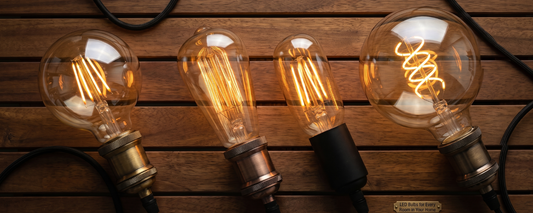
Warm White (around 2700K-3000K): This gives off a cosy, yellowish glow, similar to traditional incandescent bulbs. It's great for living rooms and bedrooms where you want a relaxed atmosphere.
-
Cool White (around 3500K-4100K): This is a more neutral, white light. It can be good for kitchens or bathrooms where you need clearer visibility.
-
Daylight (5000K+): This is a very blue-toned light. While it mimics natural daylight, it can feel harsh and sterile indoors, making colours look unnatural and killing the mood.
Avoid 'daylight' bulbs for general home lighting; they can make your space feel cold and unwelcoming. Always check the packaging for the Kelvin rating.
Choosing Fixtures That Are The Wrong Scale
Ever seen a tiny pendant light hanging over a huge dining table, or a massive chandelier in a small entryway? It just looks out of place, doesn't it? Scale is all about proportion. A fixture that's too small can get lost and won't provide enough light, while one that's too big can overwhelm the space and feel visually heavy.
When in doubt, it's often better to go slightly larger than you think you need. A fixture that feels a little too big is usually just right, providing adequate light and making a statement without dominating.
Strategic Lighting For Every Room

Getting the lighting right in each room can really change how a space feels. It’s not just about having enough light, but about using different types of light in the right places. Think about how you use each room and what kind of mood you want to create.
Creating Cosy Bedrooms With Lamps
Bedrooms are for relaxing, so harsh overhead lights are usually a no-go. Instead, focus on softer, more ambient lighting. Table lamps on bedside cabinets are a classic for a reason – they provide just enough light for reading or winding down without being too bright. Consider a wall light on either side of the bed for a more streamlined look, or a floor lamp in a corner for general mood lighting. The goal is to have a few light sources at different heights to avoid dark spots and create a warm, inviting atmosphere. This approach to bedroom light makes it feel like a true sanctuary.
Brightening Kitchens With Task Lighting
Kitchens need to be functional, which means good task lighting is key. While general overhead lighting is important, you'll also want focused light where you're doing most of your work – chopping vegetables, cooking, or reading recipes. Under-cabinet lighting is brilliant for illuminating countertops, and a pendant light over an island or breakfast bar can add both style and focused light. Don't forget about lighting inside glass cabinets for a bit of display flair. Good interior lighting design tips for kitchens always include layering task lighting with ambient light.
Enhancing Living Areas With Dimmable Options
Living rooms are versatile spaces, used for everything from watching TV to entertaining guests. This is where dimmable lights really shine. Having overhead lights on a dimmer switch means you can adjust the brightness to suit the occasion. Combine this with floor lamps and table lamps to create different zones of light. This layered approach, with options for dimming, is one of the best lighting for home interiors strategies. It allows you to control the mood, making the space feel intimate for a quiet evening or bright and welcoming for a gathering. Proper lighting placement in rooms like the living room is all about flexibility.
Elevating Your Space With Smart Lighting Choices

Bringing a touch of cleverness to lighting can completely change the way your home feels and works. Let’s look at how smart ideas turn the ordinary into something special—without much fuss or cost. Below, I’ll break down the ways you can use dimmers and tech, mix metals, and add creative accent lights. You don’t need to be a pro, just open to trying something new.
The Power Of Dimmers And Smart Technology
If you haven’t switched regular light switches for dimmers yet, you should—seriously, it’s an easy job and makes a huge difference. A simple dimmer lets you change a room's mood instantly, from bright and busy to soft and relaxed. Plus, with smart plugs or bulbs, you can control lights from your phone or by voice command, which is great for those "Did I leave the light on?" moments when you’re already tucked up in bed. Even lamps can go smart, just pop a smart plug in and you’re set.
Here’s why dimmers and smart lighting are worth considering:
-
Adjusts light levels for relaxation or focus
-
Saves energy by lowering brightness when full power isn’t needed
-
Pairs easily with voice assistants or timers
With smart tech and dimmers, you’ll wonder how you lived without being able to set the perfect lighting scene for every activity, whether you’re winding down at night or starting a busy morning.
Mixing Metals For Depth And Interest
Sticking to one finish for all your lights can feel a bit flat. Blending different metal finishes—like mixing brass with black or chrome—adds interest and breaks up the look so your space doesn’t end up feeling off-the-shelf. Don’t stress about matching everything; just try balancing the tones so one doesn’t overpower the rest. Even just changing out a few lamp bases or pendant finishes can make a room feel pulled together, not too fussy.
Quick tips for mixing metals:
-
Start with one main metal and mix in one or two others for detail
-
Repeat the accent finish in hardware or accessories for a natural flow
-
Don’t place clashing metals side by side—space them out a bit
Incorporating Accent Lighting Creatively
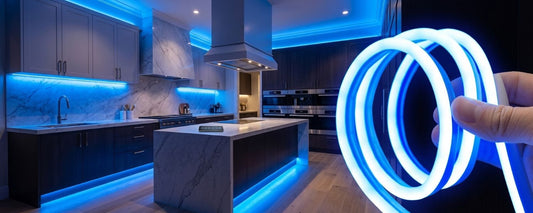
Accent lighting is where you can have some fun and show off your style. Think about cabinet tape lights that change colour for a party, wall sconces that spotlight art, or under-shelf LEDs for a gentle kitchen glow. Small, out-of-the-way lights add charm without stealing the show—but they also make evenings at home feel a bit more magical. Layer multiple light sources around your space, combining small table lamps or strip lights with your main fixtures for an inviting look.
| Accent Lighting Type | Best For | Control Options |
|---|---|---|
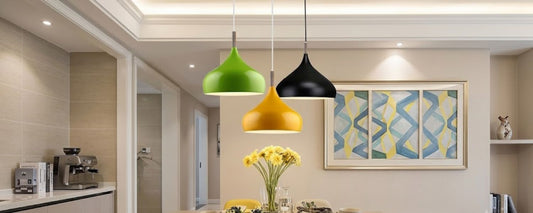
| Pendant Lights | Kitchen islands, dining tables, hallways | Wall switch, dimmer, smart control |
| Wall sconces | Art, reading nooks | Switch, dimmer, smart |
| Table Lamps | Bedside tables, desks, side tables | On/off switch, touch control, smart plug |
A mix of both smart features and clever fixture choices is the key to a home that feels good to live in, not just look at. Lighting is meant to adapt to your life—not the other way round.
Design Secrets For A Welcoming Atmosphere

Creating a truly welcoming atmosphere in your home is all about thoughtful touches, and lighting plays a massive part in that. It's not just about having enough light; it's about how that light makes you feel. Think of it like painting with light, using different sources to build up layers and create a mood.
Balancing Light Sources At Different Heights
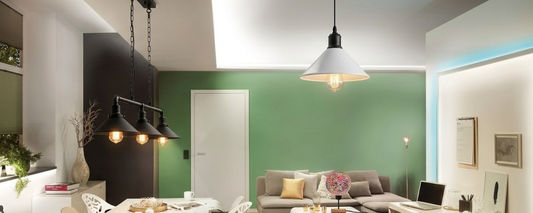
One of the biggest secrets to a cosy space is to avoid a flat, one-dimensional feel. This often happens when all your light comes from the ceiling. Instead, aim to have light sources at various levels. You want some light low down, like table lamps on sideboards or floor lamps tucked into corners. Then, add mid-level lighting with wall sconces or pendants. Finally, you can have your overhead lighting, but make sure it's not the only option. This layering is key to creating ambiance with light.
-
Low Level: Table lamps, floor lamps, accent lights on shelves.
-
Mid Level: Wall sconces, pendant lights over tables.
-
High Level: Ceiling fixtures (use sparingly and on dimmers).
Considering Outdoor Lighting As An Extension
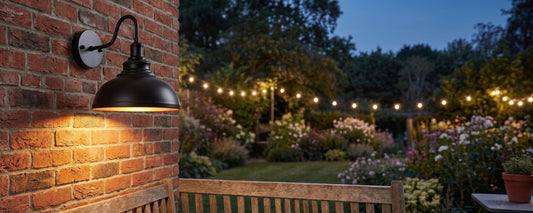
Don't forget the outside! Your garden or patio can be a real extension of your living space, especially on warmer evenings. String lights, lanterns, or even strategically placed uplighters can make your outdoor areas feel magical and inviting. It’s about carrying that cosy feeling from indoors out, making the whole property feel more cohesive and welcoming after dark.
The Role Of Lighting In Interior Design
Lighting isn't just functional; it's a design element in itself. The type of fixture you choose, the colour of the bulb, and where you place the light all impact the look and feel of a room. For instance, a warm, soft white bulb in a decorative lamp can make a corner feel much more inviting than a harsh, bright overhead light. It's about using light to highlight features, create zones, and generally make your home feel more lived-in and comfortable.
Lighting is like the shading of makeup; it has to balance on both sides of the room. It's not just about brightness, but about how light shapes and defines your space, influencing mood and perception.
Bringing It All Together
So, there you have it. Lighting your home isn't just about sticking a bulb in a socket; it's about creating a feeling. We've talked about layering lights, picking the right bulbs, and avoiding those harsh overheads that can make a room feel a bit… well, sterile. Remember, a few well-placed lamps, maybe a dimmer switch, and the right bulb colour can make a massive difference to how your space looks and feels. Don't be afraid to experiment a bit – your home should feel like yours, after all. Get it right, and your rooms will feel so much more welcoming and just, you know, right.
Frequently Asked Questions
Why is having different types of lights in a room so important?
Imagine a room with only one light source, like a single bright bulb in the ceiling. It can feel a bit harsh and boring, right? Having different lights, like lamps on tables, floor lamps, and maybe wall lights, creates layers. This makes the room feel cosier and more interesting, and you can adjust the light for different activities, like reading or relaxing.
What's the big deal about light bulb colour?
Light bulbs come in different 'colours', often called colour temperature. Some are 'daylight' bulbs, which are very blue and bright, like natural daylight. Others are 'warm white' or 'soft white', which give off a more yellow, cosy glow. For most rooms, especially living areas and bedrooms, warm white bulbs are best to create a welcoming feel. Daylight bulbs can be good for places where you need to see clearly, like a kitchen work area, but can feel too stark elsewhere.
Is it really that bad to only have lights in the ceiling?
Yes, relying only on ceiling lights, often called recessed lighting or 'cans', can make a room feel flat and uninviting. These lights tend to shine straight down, leaving corners dark and creating shadows. Mixing in other light sources like lamps helps to fill the room with light more evenly and creates a much nicer atmosphere.
How do I know if a light fixture is the right size for my room?
It's a common mistake to pick lights that are too small for the space. When you're looking at a light fixture, think about the size of the room and the furniture in it. It's often better to go a little bigger than you think you need. If a light looks too small, it can get lost and won't provide enough light or make a statement.
What are dimmers and why should I use them?
Dimmers are switches that let you control how bright your lights are. They're fantastic because you can make the light brighter for tasks like cooking or reading, and then dim it down for a more relaxed, cosy evening. Most lights, including ceiling lights and lamps, can be put on a dimmer switch, making your space much more flexible.
Can I mix different metal finishes in my light fixtures?
Absolutely! Don't be afraid to mix metals like gold, silver, or black. While you don't want everything to clash wildly, mixing a few different metal finishes can add depth and interest to your room. It makes the space feel more collected and less like everything came from the same shop.
Labels:
Vorig
2026 Kitchen Lighting Trends: Style & Function
Volgende
Romantic Valentine's Day Lighting Ideas - 2026
Gerelateerde artikelen


What Colour Lampshade Makes a Room Look Bigger?
Aug 10 2026