Exploring the Versatile G80 Bulb: From Vintage Charm to Smart Home Integration
Thinking about upgrading your home lighting? Maybe you've seen those cool, old-fashioned looking bulbs and wondered what they're all about. We're talking about the G80 bulb, a real classic that's surprisingly versatile. It's got that vintage vibe that makes any room feel cozier, but it can also play nice with modern smart home tech. Let's break down why this particular bulb is worth a closer look.
Key Takeaways
-
The G80 bulb offers a unique vintage look with its classic shape and visible filaments, adding a warm glow and aesthetic appeal to any space.
-
Its versatility allows the G80 bulb to be used effectively in various rooms, from living areas to bedrooms, serving as both general and accent lighting.
-
Modern G80 bulbs, often LED, provide energy efficiency and long lifespan, with dimmable capabilities to easily adjust ambiance.
-
Choosing the right G80 bulb involves considering factors like base type, glass finish, and filament style to match your fixture and desired look.
-
G80 bulbs can be integrated into smart home systems, offering convenient control and the ability to create custom lighting scenes.
The Enduring Charm of the G80 Bulb
There's something undeniably special about the G80 bulb, isn't there? It's more than just a light source; it's a little piece of history that brings a unique character into your home. While modern lighting can be sleek and functional, it often misses that certain je ne sais quoi that older designs possess. These bulbs weren't just churned out; they were often crafted with a real eye for detail and a style that really speaks to a different era. The visible filaments inside are a key part of their appeal, turning the bulb itself into a decorative element.
The Technical Anatomy of a G80 Bulb: Lumens, Kelvins, and Caps
When choosing a G80 bulb (the '80' signifies a spherical globe diameter of exactly 80mm), understanding the technical specifications is key to matching your room's mood and functional needs.
-
Color Temperature (The 'Glow'): Traditional G80 filament bulbs typically sit at 2000K to 2200K (Amber/Extra Warm White) on the Kelvin scale. This yields that iconic, ultra-cozy candle-like glow. If you need clean clarity for reading, look for a 2700K (Warm White) variant.
-
Brightness vs. Wattage: Do not buy based on old incandescent wattages. A modern 4W LED G80 filament bulb delivers roughly 320 to 350 lumens of light—perfect for accent and atmospheric lighting, but not intended to single-handedly illuminate a large kitchen task area.
-
Cap Fittings: In the UK, these are universally manufactured in two main variations: the B22 (Bayonet Cap), which utilizes a push-and-twist secure mechanism common in standard ceiling roses, and the E27 (Edison Screw), preferred for modern industrial pendant kits and table lamps.
| Bulb Feature | Specification | Best Used For |
| Diameter | 80mm (Globe Shape) | Exposed multi-bulb clusters, single pendants |
| Average Lifespan | 15,000 to 25,000 Hours | Reduced maintenance in high ceilings |
| CRI (Color Rendering Index) | >80 Ra | Ensures rich, natural tones in fabrics and paint |
In the Workshop: Hands-On Styling & Dimming Performance
During hands-on testing in our design studio, we evaluated how the G80 bulb interacts with different interior materials. Because of the clear or amber-tinted glass and exposed vertical filaments, this bulb acts as a decorative element in its own right.
Our Top Three Styling Rules for G80s:
-
Ditch the Lampshade: Hiding a G80 behind a fabric shade defeats its design purpose. Pair it with open geometric wire cages or let it hang completely bare from a premium fabric flex cable.
-
Contrast with Dark Backdrops: We found that the amber glow of a 2200K filament looks most dramatic when set against dark, matte wall paint—think deep navy, forest green, or charcoal gray.
-
The Dimming Factor: Standard LEDs can sometimes flicker when dimmed. To combat this, we tested our LED Bayonet Bulb Dimmable G80s across multiple trailing-edge LED dimmer modules. For a smooth, silent transition down to 10% brightness without an annoying buzz, we highly recommend pairing these bulbs with a dedicated LED-compatible dimmer switch rather than an old incandescent dimmer.
Smart Home Integration: Bringing Vintage into the Future
You no longer have to choose between old-school aesthetics and modern automation. Incorporating G80 bulbs into a smart home infrastructure generally follows two paths depending on your existing tech stack:
-
Smart G80 Bulbs (Built-in WiFi/Zigbee): If you are using smart bulbs, you can dim them, set schedules, and connect them directly to Amazon Alexa, Google Home, or Apple Home. Look specifically for bulbs supporting the Matter protocol to ensure your ecosystem remains unified and future-proof.
-
The Smart Switch Route (Highly Recommended): If you prefer the look of classic, ultra-thin amber filaments that aren't packed with heavy internal circuit bases, buy standard dimmable G80 bulbs and pair them with a smart wall dimmer switch (such as a Zigbee or LightwaveRF module). This preserves the completely transparent look of the vintage bulb while giving you full app and voice control over your home's ambiance.
Visible Filaments as a Design Feature
One of the most striking things about a G80 bulb is its visible filament. Whether it's a classic spiral or a more intricate squirrel cage design, these filaments are not hidden away. They're meant to be seen, adding a touch of industrial or vintage flair to any fixture. This is why you often see them used in open or clear glass fixtures, where the bulb itself becomes a focal point. It’s a design choice that really bridges the gap between function and form, making a simple light bulb a piece of art.
Bridging Past and Present Design
What's great about the G80 bulb is how well it fits into almost any decor. You can use a vintage bayonet bulb in a modern minimalist setting to add a touch of warmth and contrast, or pair it with antique furniture for a cohesive look. It’s a versatile piece that can tie different design elements together. Whether you're looking for a b22 edison bulb or another type, these bulbs offer a way to blend old-world charm with contemporary living spaces. They’re a simple yet effective way to add personality and a sense of history to your home. You can find these beautiful vintage bulbs bayonet style in many places, adding that perfect touch of nostalgia. For those in the UK, the bayonet vintage light bulb is a common and stylish choice. Many modern options, like the led bayonet bulb dimmable or vintage edison led bulb, offer the same aesthetic with better efficiency, making them a practical choice for today's homes. These vintage style bulbs and vintage light bulb bayonet options are truly timeless.
Exploring the G80 Bulb's Versatility
The G80 bulb isn't just about looking pretty; it's surprisingly adaptable. You can use these bulbs in so many different spots around your house, and they really change the feel of a room. It’s not just for show, though. These bulbs can actually be quite practical too.
Living Rooms and Dining Areas
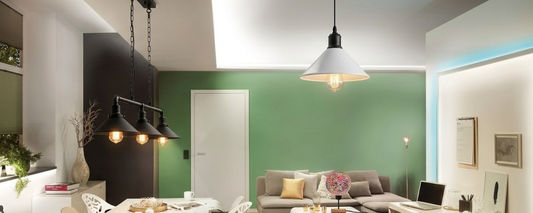
In the living room, a G80 bulb can really set a cozy vibe. Imagine a floor lamp with a G80 bulb casting a warm, soft light perfect for winding down after a long day. Or in the dining area, a cluster of G80 bulbs hanging over the table can create an intimate atmosphere for dinners. They're great for creating that welcoming feel that makes people want to gather. You can find some really nice E27 globe bulbs that fit this style perfectly.
Bedrooms and Kitchens
Bedrooms benefit from the gentle glow of a G80, especially in bedside lamps. It’s a softer light than you might get from a standard bulb, making it easier on the eyes before sleep. In the kitchen, while you might need brighter task lighting, a G80 can work wonders in a pendant light over an island or in a decorative fixture. It adds a touch of style without being overpowering. Some people even use them in bathrooms for a spa-like feel.
Hallways and Accent Lighting
Don't forget about those transitional spaces! A G80 bulb in a hallway sconce can make a great first impression. It’s a subtle way to add warmth and character. They're also fantastic for accent lighting. Think about using them in a display cabinet or a small accent lamp to highlight a particular feature or piece of art. It’s all about creating little pockets of inviting light throughout your home.
The real magic of the G80 bulb is its ability to blend in while still standing out. It doesn't demand attention, but it certainly adds a layer of sophistication and warmth wherever it's placed.
Key Features of the G80 Bulb

When you're looking at G80 bulbs, there are a few things that really stand out. First off, let's talk about how much energy they use. These bulbs are pretty good on the electricity front, especially when you compare them to older types of bulbs. They're designed to last a good long while too, which means you won't be swapping them out all the time. That's a big plus, right?
Energy Efficiency and Longevity
Most G80 bulbs you'll find these days are LEDs, which is great news for your energy bill. They use way less power than those old incandescent bulbs. We're talking potentially saving up to 80% on energy costs. Plus, they're built to last. Instead of a few thousand hours, you can expect LEDs to keep going for 25,000 hours or even more. That's like, over 20 years if you use them a few hours every day! It really cuts down on waste and the hassle of buying new bulbs constantly. It's a smart investment for your home and the planet.
Dimmable Capabilities for Ambiance
One of the best things about many G80 bulbs is that they're dimmable. This is super handy for setting the mood. Want a bright light for reading or working? No problem. Want a softer, warmer glow for a movie night or a quiet dinner? Just dim it down. This flexibility is a game-changer for creating different atmospheres in your home. Just make sure your light fixture has a compatible dimmer switch. Not all dimmers work with all LED bulbs, so it's worth checking that out. Some people have found that certain dimmer switches, like the Lutron Caseta, can be a bit tricky with some LED bulbs, so keep that in mind.
Color Temperature and Brightness
Color temperature is a big deal when it comes to how a room feels. G80 bulbs come in different shades. You'll often see 'warm white' options, usually around 2700K to 3000K. This gives off a cozy, yellowish light, kind of like the old incandescent bulbs, which is great for living rooms and bedrooms. Then there's 'cool white' or 'daylight', which are brighter and have a bluer tint, better for places where you need more clarity, like a kitchen or a workspace. Brightness is measured in lumens, not watts anymore. A 60W equivalent bulb might only use about 8-9W of power but give you around 800 lumens of light. It's good to know what you're looking for so you get the right vibe for each room.
When picking out your bulbs, think about where they're going. A super bright, cool white bulb might be perfect for your garage, but it could feel a bit harsh in your cozy living room. Matching the bulb's features to the room's purpose makes a huge difference.
Here's a quick look at what to expect:
-
Energy Savings: Up to 80% less energy used compared to old bulbs.
-
Lifespan: Typically 25,000+ hours, meaning fewer replacements.
-
Dimmability: Many options allow for mood setting (check dimmer compatibility).
-
Color Options: Warm white (cozy) to cool white (bright).
-
Brightness: Measured in lumens, with LED equivalents using much less wattage. For example, a 4W LED can replace a 30W incandescent [f5b0].
Choosing the Right G80 Bulb
So, you've decided the G80 bulb is the way to go for that perfect vintage vibe or a touch of modern flair. Awesome choice! But before you go snapping them up, let's chat about picking the right one. It's not just about grabbing any old bulb; there are a few things to consider to make sure you get exactly what you're looking for. Think of it like picking out a good record – you want the right sound for the right mood, right?
Base Type and Glass Finish
First up, the base. Most G80 bulbs you'll find use the E27 screw base, which is super common. However, if you're in the UK or some other regions, you might need a B22 bayonet fitting. It's that push-and-twist kind of connection. Always double-check what your fixture needs. You don't want to buy a whole set of beautiful vintage light bulbs bayonet only to find they don't fit! As for the glass, clear glass is fantastic for showing off those intricate filaments, really leaning into that vintage aesthetic. But if you prefer a softer, more diffused light that's easier on the eyes, a frosted finish is your best bet. It really helps spread the light around evenly.
Filament Style Options
This is where the real magic happens with the G80 bulb. The filament is the star of the show! You've got a few main styles:
-
Squirrel Cage: This one gives off a more industrial, retro feel. It's a classic for a reason.
-
Spiral Filament: These look super elegant and add a touch of sophistication. They're great for a more refined vintage look.
-
Modern LED Filaments: These are the best of both worlds. They look just like the old incandescent filaments but use way less energy and last much longer. You can find these in various shapes, mimicking the traditional styles but with all the benefits of an g80 led bulb.
Wattage Equivalents and Lumens
When you're looking at LED G80 bulbs, don't get too hung up on the wattage. That's an old-school way of measuring brightness. Instead, focus on lumens. Lumens tell you how much light the bulb actually puts out. For example, a 4W or 5W LED might give you the same brightness as a 40W incandescent bulb. If you're aiming for mood lighting, you'll want fewer lumens (maybe around 450 lm), but for general room illumination, you'll need more (like 800 lm or higher). It's all about matching the light output to the room's purpose. A good rule of thumb is to check the packaging for the wattage equivalent – it usually gives you a good idea of the brightness compared to older bulbs. For instance, an 8W g80 light bulb might be equivalent to a 60W incandescent, which is pretty standard for general lighting. This large white globe bulb is a good example of how wattage and lumens work together.
Choosing the right G80 bulb means looking beyond just the shape. Consider the base type for compatibility, the glass finish for light diffusion, the filament style for aesthetics, and critically, the lumens for actual brightness. Don't let outdated wattage numbers fool you; lumens are the key to getting the light output you need.
Integrating G80 Bulbs into Smart Homes
So, you've got these lovely G80 bulbs, maybe they're the vintage-style ones with the visible filaments, or perhaps the more modern LED versions. They look great, right? But what if you could make them even better? That's where smart home integration comes in. It's not just about turning lights on and off with your voice anymore; it's about making your lighting work for you.
Compatibility with Smart Systems
First things first, not all G80 bulbs are created equal when it comes to smart tech. While many vintage-style bulbs are just standard bulbs, the newer LED versions often come with smart capabilities built-in, or they can be controlled using smart plugs or switches. If you're looking to connect your bulbs to a system like Google Home, Amazon Alexa, or Apple HomeKit, you'll want to check the packaging or product description carefully. Some bulbs use protocols like Zigbee or Z-Wave, which means they'll need a compatible hub to talk to your smart home network. For example, to get a Zigbee-enabled bulb connected, you'll need to make sure your Zigbee gateway or hub is powered on and ready to pair. It's a bit like making sure your phone can connect to Wi-Fi – the bulb needs the right 'language' to communicate.
Benefits of Smart Control
Why bother with smart control? Well, it opens up a whole new world of convenience and customization. Imagine waking up and having your bedroom lights gently fade on, or coming home to a welcoming glow without lifting a finger. You can control your lights from anywhere using your smartphone, which is great for security (making it look like someone's home when you're away) or just for convenience when you're already tucked into bed and realize you left the hall light on. Plus, many smart bulbs are dimmable, allowing you to fine-tune the brightness for any occasion. It's about creating the perfect atmosphere on demand.
Creating Automated Lighting Scenes
This is where things get really fun. Smart lighting lets you create 'scenes' – pre-set lighting configurations for different activities. You could have a 'Movie Night' scene that dims the G80 bulbs in the living room to a warm, low level, or a 'Reading' scene that brightens a specific lamp. You can even set schedules, so your lights turn on and off automatically at certain times of the day. Some advanced systems even allow for geofencing, where your lights can turn on when you arrive home and turn off when you leave. It's about making your home lighting truly intelligent and responsive to your lifestyle. Think about how the Smart Key on a car can control various functions; smart bulbs offer a similar level of integrated control for your home's lighting.
Maintenance and Longevity of G80 Bulbs

Taking care of your G80 bulbs is pretty straightforward, but a little attention can go a long way in keeping them shining bright for as long as possible. Most G80 bulbs these days are LEDs, which are already super efficient and last way longer than those old incandescent ones. Still, like anything, they have their limits and need a bit of care.
Ensuring Optimal Performance
To get the best out of your G80 bulbs, a few simple things can help. First off, make sure they're installed correctly. For screw-in types like E27, just give them a gentle twist until snug – don't force it. If you have bayonet fittings (like B22), push and twist until it locks. It's also a good idea to keep them clean. Dust can build up over time, and while it might not seem like much, it can slightly dim the light output. A soft, dry cloth is usually all you need for a quick wipe-down. Just remember to turn off the power and let the bulb cool down completely before you touch it!
-
Always turn off power at the switch before cleaning or changing a bulb.
-
Allow bulbs to cool down completely before handling.
-
Use a dry, soft cloth for cleaning; avoid abrasive materials or liquids.
-
Do not exceed the maximum wattage rating of your light fixture.
Understanding Lifespan Expectations
When we talk about how long these bulbs last, it's a big step up from the old days. A good quality G80 LED bulb can easily last for 15,000 to 25,000 hours, sometimes even more. That's years of use, depending on how many hours a day you have them on. For example, a bulb rated for 25,000 hours could last over 20 years if you use it about 3 hours a day. It's a huge difference compared to incandescent bulbs that might only last a year or so. However, it's worth noting that some users have reported shorter lifespans, so choosing reputable brands is always a good bet. You can find more details on LED bulb lifespans to compare.
Troubleshooting Common Issues
Sometimes, things don't work quite as expected. If a G80 bulb isn't turning on, the first thing to check is the power supply and the bulb's connection in the socket. Is the switch on? Is the bulb screwed in properly? If it's a dimmable bulb, make sure it's paired with a compatible dimmer switch. Sometimes, a bulb might flicker or seem dim. This can often be due to an incompatible dimmer or a loose connection. If a bulb fails prematurely, it's frustrating, but it happens. Check the manufacturer's warranty, as many offer replacements for bulbs that fail within a certain period. For specific LED bulb information, this guide might be helpful.
While G80 LED bulbs are designed for longevity, factors like frequent on/off cycling, voltage fluctuations, or being used in enclosed fixtures where heat can build up can potentially shorten their lifespan. Always check the bulb's specifications for suitability in enclosed fixtures.
Here's a quick look at expected lifespans:
|
Bulb Type |
Typical Lifespan (Hours) |
Estimated Years (3 hrs/day) |
|---|---|---|
|
Incandescent |
1,000 - 2,000 |
1 - 2 |
|
CFL |
8,000 - 15,000 |
7 - 13 |
|
G80 LED |
15,000 - 25,000+ |
13 - 22+ |
Keeping your G80 bulbs working well for a long time is pretty simple. Just make sure to clean them gently now and then, and avoid touching the glass with your bare hands when they're on, as the oils can cause them to heat up unevenly. For the best results and to keep them shining bright, check out our selection of high-quality G80 bulbs.
Wrapping It Up
So, there you have it. The G80 bulb, it turns out, is way more than just a pretty face from the past. Whether you're all about that vintage vibe or looking to get your home hooked up with the latest smart tech, this little bulb can totally do the job. It's pretty cool how something so simple can blend old-school charm with modern convenience. It really shows that you don't always have to choose between style and function. You can have both, and honestly, it makes your home feel a lot more personal and cozy.
About the Author
Written by: Annie Sterling | Senior Technical & Lighting Design Consultant at LEDSone Annie has over 10 years of experience in architectural lighting design and domestic electrical installations across the UK. Specialising in low-energy LED integration and retro-industrial design trends, he rigorously tests all new components in our Birmingham workshop to ensure strict compliance with BS EN standards and seamless smart home compatibility.
FAQ
Q1: What makes the G80 bulb special for home decor?+
The G80 bulb has a classic, rounded shape that looks really nice, especially when you can see the glowing filament inside. It gives off a warm, soft light that makes a room feel cozy and inviting. Many people love it because it reminds them of older, vintage lights but still uses modern, energy-saving technology.
Q2: Can I use G80 bulbs in any lamp?+
Most G80 bulbs use a standard screw-in base, usually called an E27 or Edison screw. You'll want to check if your lamp or light fixture has this type of socket. They work great in pendant lights, table lamps, and ceiling fixtures where you want the bulb to be a visible part of the design.
Q3: Are G80 bulbs energy-efficient?+
Yes, especially if you choose LED versions! While older incandescent G80 bulbs used a lot of power, today's LED G80 bulbs use much less energy, saving you money on electricity bills. They also last a lot longer than old-fashioned bulbs, meaning you won't have to replace them as often.
Q4: Can I dim G80 bulbs?+
Many G80 bulbs are designed to be dimmable. This means you can adjust the brightness to create different moods. If you want to dim them, make sure your light fixture has a dimmer switch that's compatible with LED bulbs, and check that the bulb itself is labeled as 'dimmable'.
Q5: What's the difference between G80 and other bulb shapes like G95 or G125?+
The number in the bulb's name (like G80, G95, G125) refers to its size. 'G' stands for globe shape, and the number is the diameter of the bulb in millimeters, divided by 10. So, a G80 bulb is 80mm wide, a G95 is 95mm wide, and a G125 is 125mm wide. Larger numbers mean bigger bulbs.
Q6: How long do G80 LED bulbs usually last?+
LED G80 bulbs are built to last much longer than traditional bulbs. While an old incandescent bulb might only last about 1,000 hours, an LED version can often last 15,000 to 25,000 hours or even more. This means you could have them for many years before needing to replace them.
Labels:
Vorig
Enchanting Summer House Lighting Ideas for Your Garden Oasis
Volgende
Wire Connectors & Junction Boxes Guide 2026 | Safe Electrical Connections